Flaming

The Southern Red Bishop is 10–11 centimetres long and has a thick, conical bill. The breeding males are brightly coloured with red (occasionally orange) and black plumage. The forehead, face and throat are black and the rest of the head is red. The upperparts are red apart from the brown wings and tail. The upper breast and under tail coverts are red while the lower breast and belly are black. The non-breeding male and female have streaky brown plumage, paler below. The females are smaller than the males, the bill, legs and feet are pale pinkish. The eyes are dark brown. Southern Red Bishops have various twittering calls and a nasal contact call; the male has a buzzing song.
Info source: https://www.sanbi.org/animal-of-the-week/southern-red-bishop/
=========
The photo was taken during November 2017 at Rietvlei Nature Reserve, Pretoria, Gauteng, South Africa.

Flaming

Poise

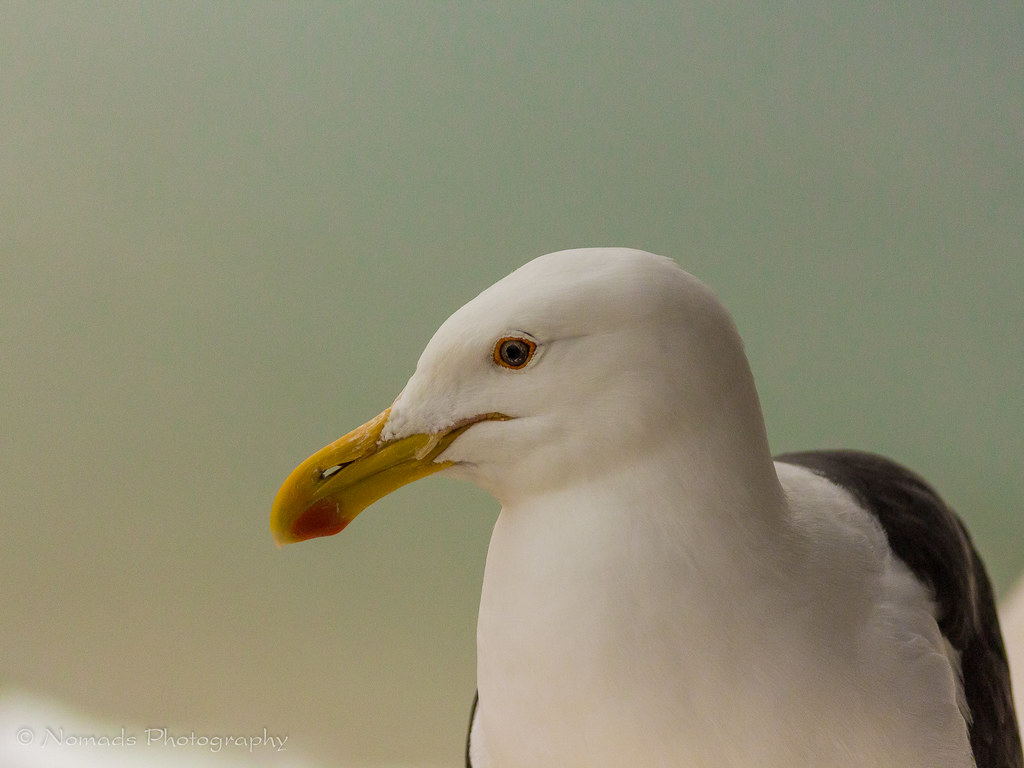
The Cape gull is largely sedentary, and large colonies tend to stick to a favoured beach or coastal area. They frequently converge at popular feeding sites and have been known to attack prey en masse. This black and white gull is a common visitor to the beaches of the country. The back and the tops of its wings are black; while the belly, head and tail are white. There are also white tips on the wings, called mirrors. The legs are a green-tinged yellow, which goes a brighter hue of yellow during the breeding season; and the bill is yellow with a vivid red spot on the underside. Juveniles have a mottled-grey plumage, duller colouring on their legs, and a black bill. They take about three years to mature. The Cape gull has a shorter bill and a more angular head and is differentiated by its pristine white tail and its dark-coloured eye.
Info source: https://www.sa-venues.com/wildlife/birds_cape_gull.php
=========
The photo was taken during October 2016 at Beacon Isle Hotel, Plettenberg Bay, Western Cape, South Africa.

Poise

Swirl

The lighthouse on Umhlanga’s beach was completed in 1954 and has been the subject of numerous paintings and memorabilia. Built to replace the Bluff lighthouse, which was commissioned in 1869 but had to be abandoned due to its rapid deterioration, it stands guard to some of the most treacherous waters of Southern Africa and not only warns ships of the hidden dangers, but the flashing light is also a welcome to the ships sailing into the safety of the Durban harbour. The circular concrete tower, painted white with a red band at the top, stands 21m above the beach and has a focal plane height of 25m. The fixed red light enables ships waiting to anchor in the outer anchorage, to monitor its position. If the red light can be seen, it suggests the ship’s anchors have probably dragged and is too close to shore.

Info source: http://www.lighthouses.co.za/lighthouses/Tower.asp…

The photo was taken during November 2017 at Umhlanga Rocks, KwaZulu-Natal, South Africa.

Swirl