Nibble

The Nyala is a highly selective, mixed feeder taking in large quantities of grass, forbs and browse (grass contributes 12-30% of its dietary intake). They prefer the fruit, pods and flowers of broadleaf forbs and eat only soft, green new-growth grass tufts (dry leaves and stems are avoided completely). Nyala is dependent on fresh water and an adult will drink an average of 3.5 litres daily. Nyala thrives in the thicket, closed woodland, riverine bush and forest habitats. They require abundant shade, cover for refuge, a constant supply of fresh drinking water and a large variety of broadleaf forb species to browse. The ideal habitat comprises a 4-23cm sweet grass layer, a minimum of 15% thicket and should be no less than 60 ha in size – nyala spends 70-90% of its life in the thicket and become nocturnal in environments lacking in this foliage component. Nyala cannot survive in areas with temperatures lower than -2°C or rainfall of less than 300mm.
=========
The photo was taken during September 2017 in the Kruger National Park, Mpumalanga, South Africa.
Info source: http://westacresvet.co.za/farming-with-nyala-a-few-things-…/

Nibble

Snuggle

Elephants are the largest land mammals, but they still manage to lie down to sleep. Elephant species include the African bush elephant (Loxodonta africana) and Asiatic elephant (Elephas maximus), both of which sleep on their sides for long periods or cat nap while standing, leaning against a tree for support. Captive elephants may have different sleep patterns from elephants living in the wild. Elephants sleep in a series of naps during the night. In captivity, elephants sleep 3.1 to 6.9 hours at night, lying down for one to 4.5 hours at a time and getting up to feed between naps. Studies of wild elephants indicate they also lie down to sleep at night, for 0.67 to two hours at a time. Wild elephants may also sleep during the daytime. Bull African bush elephants have been observed taking naps about 40 minutes long between 8 a.m. and 3 p.m., according to André Ganswindt and Stefanie Münscher of the University of Pretoria, South Africa, in an article for South African National Parks.

Snuggle

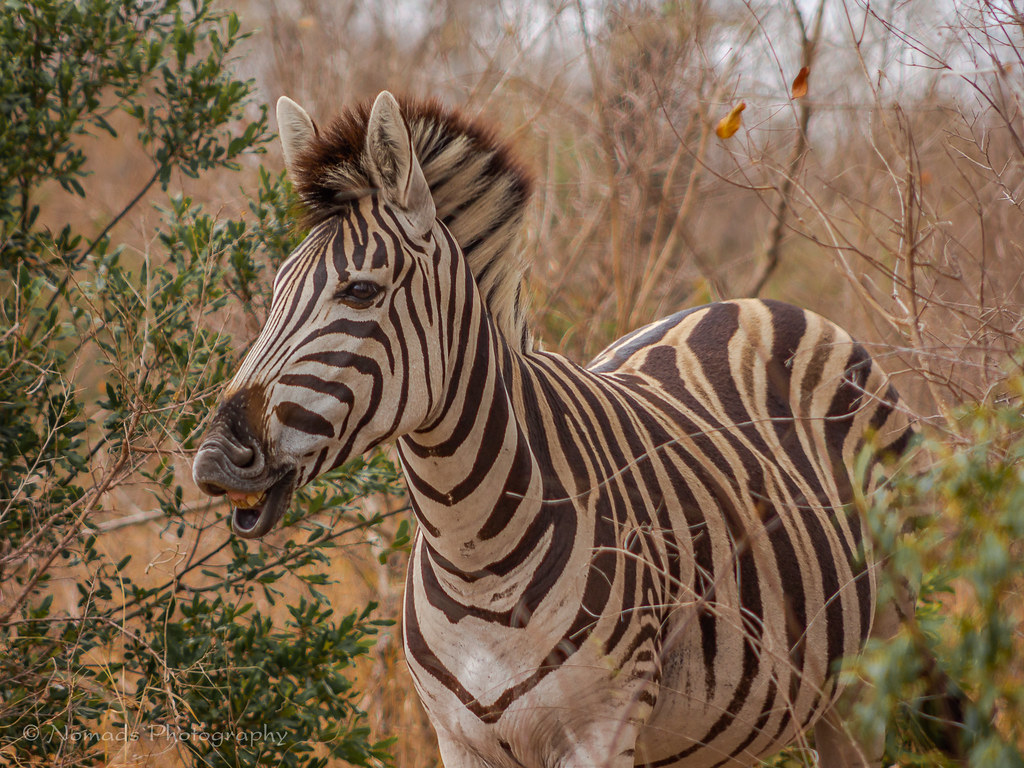
Interested

The flehmen response is a behaviour in which an animal curls back its upper lip exposing its front teeth, inhales with the nostrils usually closed, and then often holds this position for several seconds. It may be performed over a site or substance of particular interest to the animal or may be performed with the neck stretched and the head held high in the air. Flehmen is performed by a wide range of mammals, including ungulates and felids. The behaviour facilitates the transfer of pheromones and other scents into the vomeronasal organ located above the roof of the mouth via a duct which exits just behind the front teeth of the animal. The flehmen response often gives the appearance that the animal is looking spiteful, grimacing, smirking or laughing. A wide range of mammals exhibits flehmen including both predatory and non-predatory species. The response is perhaps most easily observed in domestic cats and horses; both exhibit a strong flehmen response to odours. Other animals which exhibit the flehmen response include zebra, elephant, buffalo, tigers, tapirs, lions, giraffes, goats, llamas, kobs, hedgehogs, rhinoceros, giant pandas, and hippopotami.
Info source: https://en.wikipedia.org/wiki/Flehmen_response

Interested