Worn

An elephant’s tusks are both a blessing and curse. Blessing because they give a sense of true majesty that rise them above other animals as well and being of use for various tasks. A curse because man’s avarice for ivory has led to the senseless slaughter of hundreds of thousands of the magnificent animals. One of the key differences between African and Asian elephants is the tusks. All African elephants, male and female, have tusks whereas only some Asian males have tusks. About 50% of Asian females have short tusks known as tushes – which have no pulp inside.

Worn

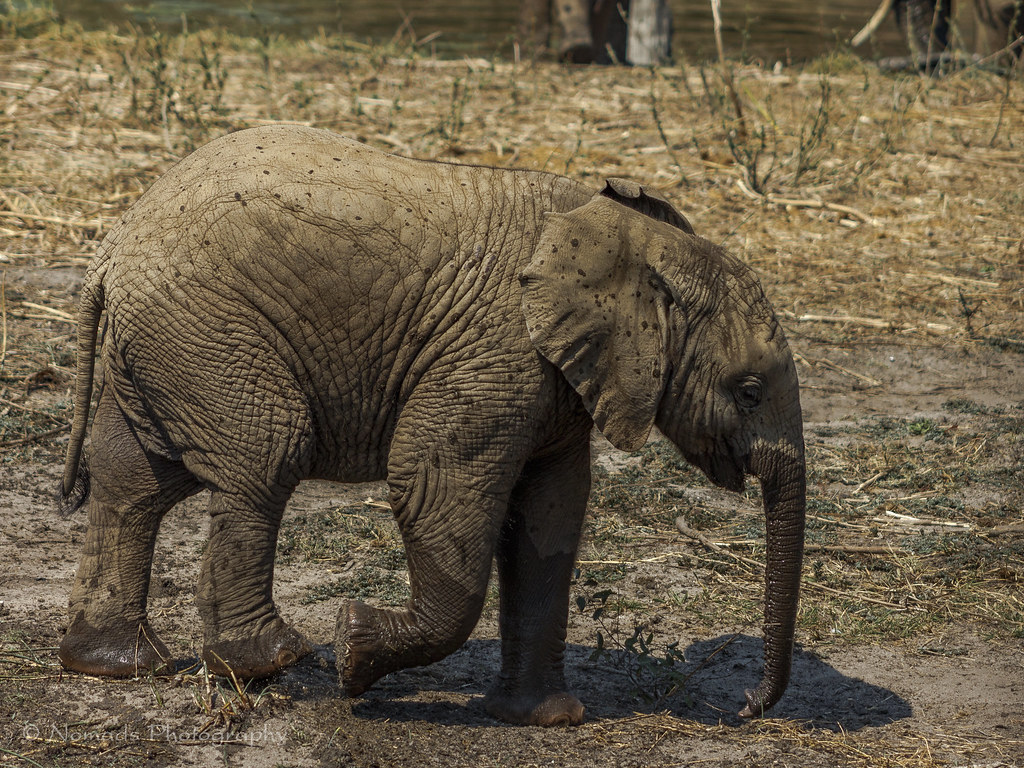
Junior

A baby elephant is called a calf. It weighs about 250 pounds at birth and stands about three feet tall. Calves can’t see very well at first, but they can recognize their mothers by touch, scent, and sound. At first, baby elephants don’t really know what to do with their trunks. They swing them to and fro and sometimes even step on them. They will suck their trunk just as a human baby might suck its thumb.

Junior

Shy

The Bushbuck is a close relative of the Kudu and the Nyala. The rams are very elegant in appearance, sporting dark greyish-brown fur, with white spots on the flanks and prominent white socks. In height they are 700 mm at the shoulders, and have a maximum mass of 54 Kg’s. Ewes are smaller and adult ewes are lighter in colour than rams, with more pronounced white spots and stripes. Both males and females have geometrically shaped white patches or spots on the most mobile parts of their body, namely the ears, chin, tail, legs and neck, as well as a band of white at the base of the neck. On males these markings become more visible during their displays when they arch their backs and slowly circle one another, walking in a tense, high-stepping gait. These highly ritualized displays usually make fighting unnecessary and alongside this, a rigid age-based hierarchy among keeps males in check.

Shy