Poise

The Cape gull is largely sedentary, and large colonies tend to stick to a favoured beach or coastal area. They frequently converge at popular feeding sites and have been known to attack prey en masse. This black and white gull is a common visitor to the beaches of the country. The back and the tops of its wings are black; while the belly, head and tail are white. There are also white tips on the wings, called mirrors. The legs are a green-tinged yellow, which goes a brighter hue of yellow during the breeding season; and the bill is yellow with a vivid red spot on the underside. Juveniles have a mottled-grey plumage, duller colouring on their legs, and a black bill. They take about three years to mature. The Cape gull has a shorter bill and a more angular head and is differentiated by its pristine white tail and its dark-coloured eye.
Info source: https://www.sa-venues.com/wildlife/birds_cape_gull.php
=========
The photo was taken during October 2016 at Beacon Isle Hotel, Plettenberg Bay, Western Cape, South Africa.
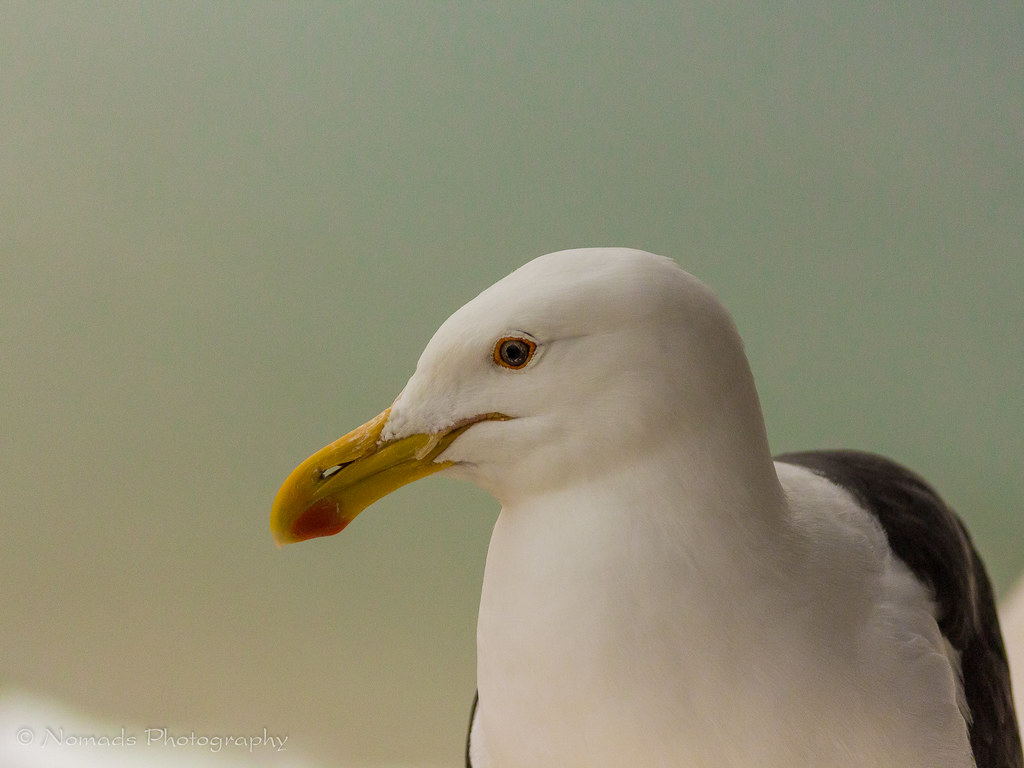
Poise

Salty

The graceful impala is a slender, medium-sized antelope so adaptable that it is found from southern Africa to the northern limits of East Africa. The body is reddish-brown with white hair inside the ears, over each eye and on the chin, upper throat, underparts and buttocks. A narrow black line runs along the middle of the lower back to the long tail, and a vertical black stripe appears on the back of each thigh. Unlike other antelopes, impalas have large, brush-like tufts of long, coarse black hair that cover a scent gland located just above the heel on each hind leg. Grazers and browsers, Impalas eat tender young grass shoots in the wet season and herbs and shrubs at other times. During the dry season, they drink daily.
Info source: https://www.sa-venues.com/wildlife/wildlife_impala.php
=========
The photo was taken during August 2018 at Segaia Bush Retreat, Buffelsdrift, Pretoria, Gauteng, South Africa.

Salty

Curious

A characteristic of the Blesbok is the prominent white blaze on the face and a horizontal brown strip which divides this blaze above the eyes. Body colour is brown with a lighter coloured saddle on the back, and the rump an even lighter shade. The legs are brown with a white patch behind the top part of the front legs. Lower legs whitish. Both sexes carry horns, ringed almost to the tip. Female horns are slightly more slender. The Blesbok is a grazing species, showing a preference for short grass, and particularly favours fresh green grass appearing after a veld burn. The Blesbok is closely related to the Bontebok. Historically, the distributions of these two species did not overlap. Interbreeding on lands where both subspecies are now located has been recorded. Prefered habitat is open grasslands with water. Being closely related to the Bontebok there has been a great deal of interbreeding between the species to such an extent that the exact numbers of the pure strain of each species are debatable. The name comes from the Dutch term for a blaze, which refers to the white forehead.
Info source: http://www.krugerpark.co.za/africa_blesbok.html
=========
The photo was taken during September 2018 at Rietvlei Nature Reserve, Pretoria, Gauteng, South Africa.

Curious