Dribble

The red-knobbed coot has all-black plumage with a white bill and frontal shield. 2 red knobs are found on the head, at the top of the shield. This bird has grey legs and a red eye. These red knobs are more conspicuous during the breeding season. As a swimming bird, its toes are partially webbed. The female is around the size of a small chicken, 39 cm long. The male is larger in size. The red-knobbed coot feeds mainly on plant matter, but will occasionally take insects. Monogamous, the red-knobbed coot builds a floating nest on a mound of vegetation. Lays up to 8 eggs. The coot is a highly territorial species and will try and bully any intruders, even geese up to twice their size. This coot is often seen running across the water, without flying. Found throughout South Africa, in a wide range of freshwater bodies. Absent from arid areas.
Info source: http://southafrica.co.za/red-knobbed-coot.html
=========
The photo was taken during July 2017 at Rietvlei Nature Reserve, Pretoria, Gauteng, South Africa.

Dribble

Flaming

The Southern Red Bishop is 10–11 centimetres long and has a thick, conical bill. The breeding males are brightly coloured with red (occasionally orange) and black plumage. The forehead, face and throat are black and the rest of the head is red. The upperparts are red apart from the brown wings and tail. The upper breast and under tail coverts are red while the lower breast and belly are black. The non-breeding male and female have streaky brown plumage, paler below. The females are smaller than the males, the bill, legs and feet are pale pinkish. The eyes are dark brown. Southern Red Bishops have various twittering calls and a nasal contact call; the male has a buzzing song.
Info source: https://www.sanbi.org/animal-of-the-week/southern-red-bishop/
=========
The photo was taken during November 2017 at Rietvlei Nature Reserve, Pretoria, Gauteng, South Africa.
Flaming

Poise

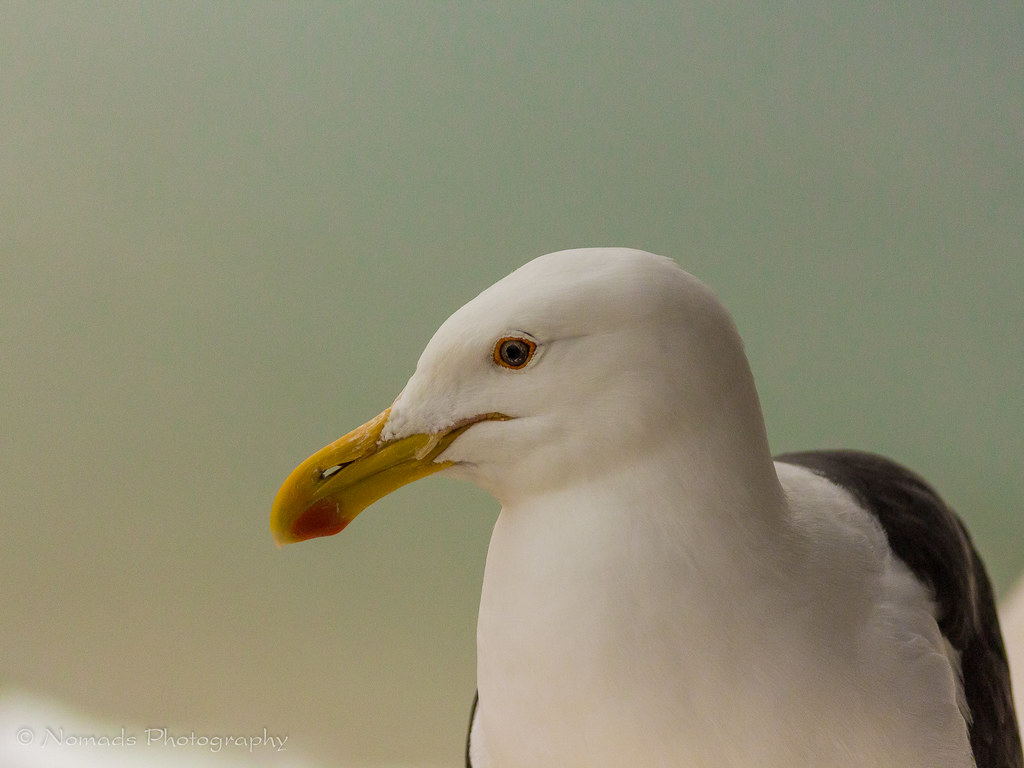
The Cape gull is largely sedentary, and large colonies tend to stick to a favoured beach or coastal area. They frequently converge at popular feeding sites and have been known to attack prey en masse. This black and white gull is a common visitor to the beaches of the country. The back and the tops of its wings are black; while the belly, head and tail are white. There are also white tips on the wings, called mirrors. The legs are a green-tinged yellow, which goes a brighter hue of yellow during the breeding season; and the bill is yellow with a vivid red spot on the underside. Juveniles have a mottled-grey plumage, duller colouring on their legs, and a black bill. They take about three years to mature. The Cape gull has a shorter bill and a more angular head and is differentiated by its pristine white tail and its dark-coloured eye.
Info source: https://www.sa-venues.com/wildlife/birds_cape_gull.php
=========
The photo was taken during October 2016 at Beacon Isle Hotel, Plettenberg Bay, Western Cape, South Africa.

Poise