Retracted

Retracted
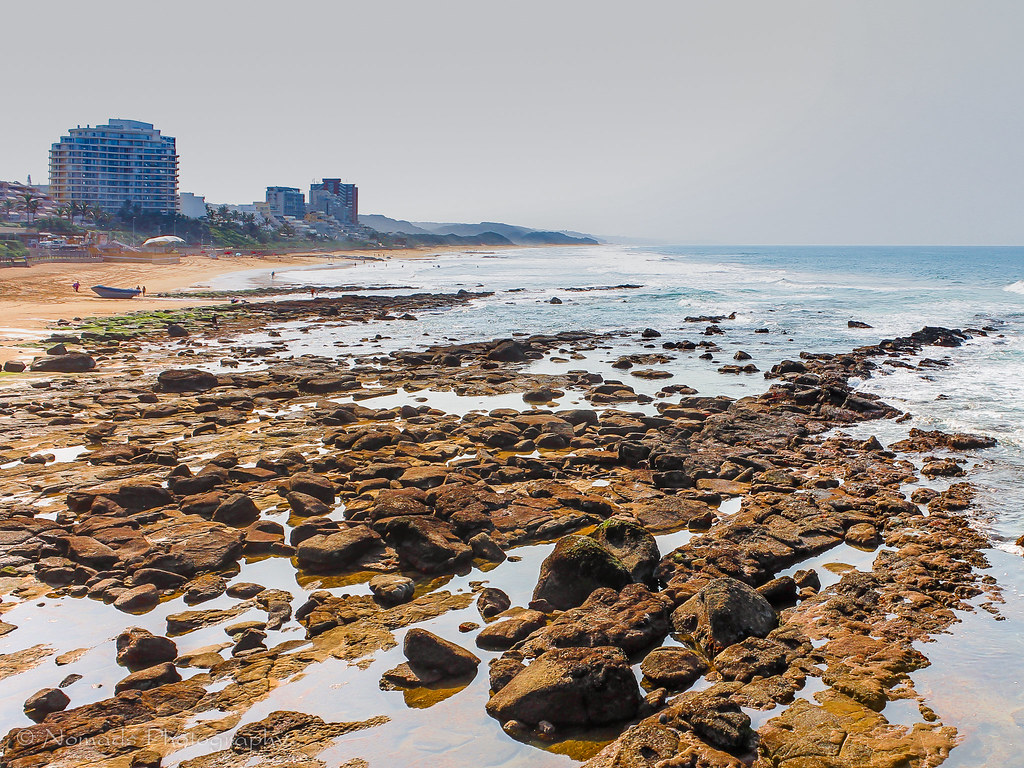
High and low tides are caused by the moon. The moon’s gravitational pull generates something called the tidal force. The tidal force causes Earth—and its water—to bulge out on the side closest to the moon and the side farthest from the moon. These bulges of water are high tides.
* One cycle of tides actually takes 24 hours and 50 minutes.
* The highest tides occur when the moon is new or full.
* High tides sometimes occur either before or after the moon is straight overhead.
* Sometimes there are really low tides called neap tides.
* Some places have only one high tide and one low tide in a cycle (24 hours and 50 minutes).
Info source: https://scijinks.gov/tides/
=========
The photo was taken during June 2014 at Cabana Beach Lifestyle Resort, Umhlanga Rocks, KwaZulu-Natal, South Africa.
Retracted

Candle

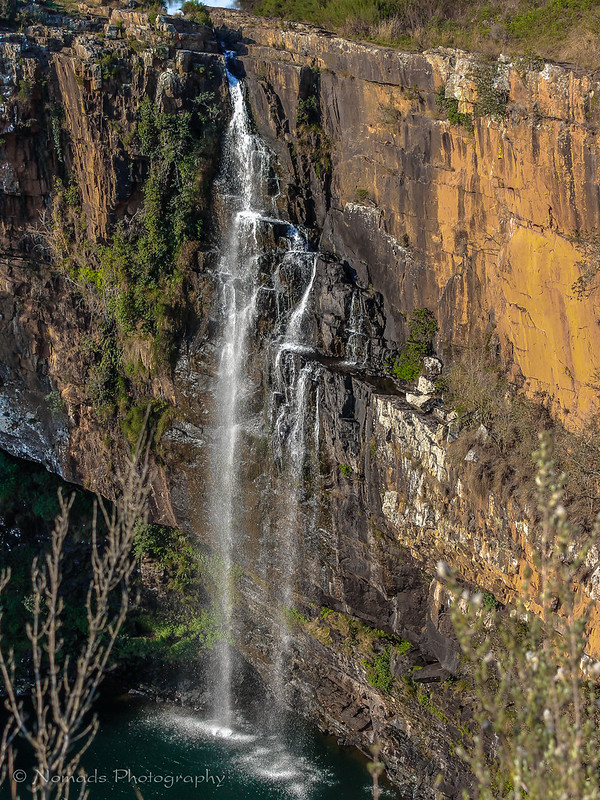
The Berlin Falls is a waterfall in Mpumalanga, South Africa. They are located close to God’s Window and the highest waterfall in South Africa’s Mpumalanga province, Lisbon Falls. The Berlin Falls cascade from the centre of a sheer cliff that stands roughly 80m tall. The shape of the falls is likened to a giant candle. A narrow, natural channel at the top of the falls creates the ‘wick’ of the candle, and as the water drops from this point, it fans out creating the rest of the candle before emptying out into the pool below. Berlin Falls gets its name from miners who ventured to South Africa from Europe during the gold rush and named each waterfall in the region after their home towns, or places from their home countries. The falls are on the Sabine River and fall 80 metres (260 ft), dumping into a circular basin flanked by red cliffs.
Info source: https://en.wikipedia.org/wiki/Berlin_Falls
=========
The photo was taken during August 2013 at Berlin falls, God’s Window, Mpumalanga, South Africa.

Candle

Ripples

Robberg Nature Reserve, situated 8km south of Plettenberg Bay on the Garden Route, is not only a nature reserve but also a national monument. Rocks from this region date back 120 million years to the break-up of Gondwanaland and evidence of middle and later Stone Age inhabitation has been found in a few of the caves along the peninsula. Visitors can find out more at the Nelson Bay Cave interpretive centre. Some highlight features of a visit here include spotting the rare blue duiker, the Western Cape’s smallest antelope; walking alongside one of the seven climbing-falling dunes on the Cape coastline; and viewing the highest navigational light on the South African coastline, at the Cape Seal Lighthouse (146m above sea level). The reserve also extends 1.8km offshore, providing protection to a range of vulnerable fish species. Visitors can expect inspiring landscapes, exciting dolphin and whale sightings in season, and to be accompanied on their walks or hikes by a variety of bird species and the occasional seal. An overnight hut is available for those who want to spend more time on this beautiful reserve.
Info source: https://www.plett-tourism.co.za/activity/robberg-nature-reserve/
=========
The photo was taken during October 2016 at Robberg Nature Reserve, Plettenberg Bay, Western Cape, South Africa.

Ripples