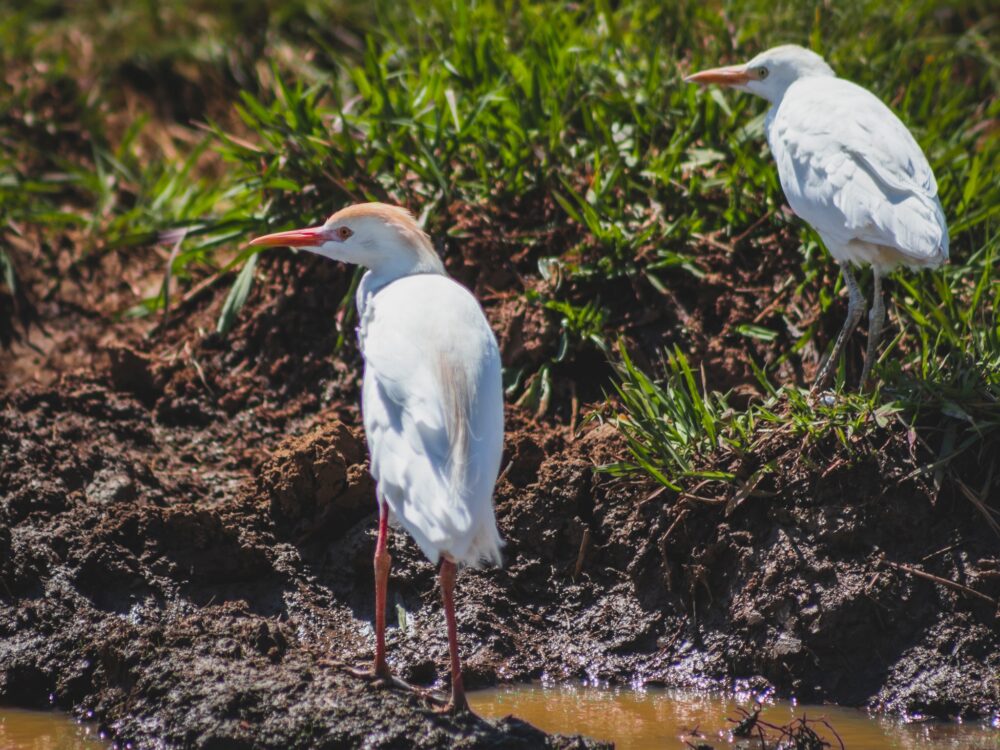
Rietvlei Nature Reserve 2017: Photo Highlights – Part 4

The short, thick-necked Western cattle egret spends most of its time in fields rather than streams. It forages at the feet of grazing cattle, head bobbing with each step, or rides on their backs to pick at ticks. During breeding season, this stocky white heron has yellow plumes on its head and neck. Originally from Africa, it reached North America in 1953 and quickly spread across the continent. Elsewhere in the world, it forages alongside camels, ostriches, rhinos, tortoises, and farmers’ tractors.
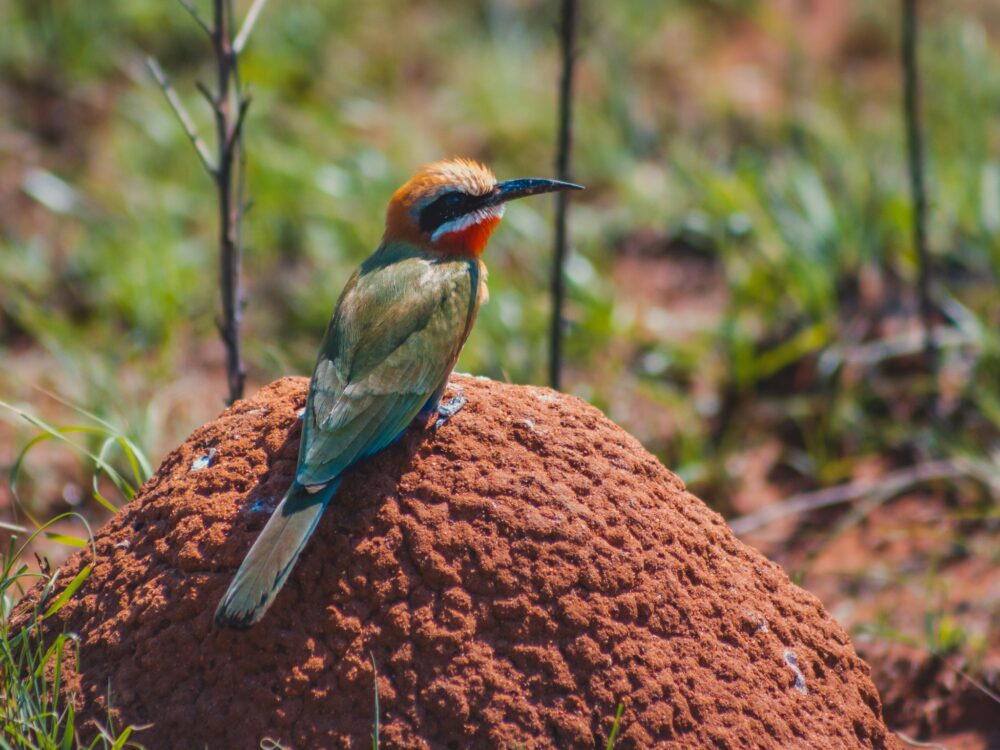
Rietvlei Nature Reserve 2017: Photo Highlights – Part 3

Bee-eaters are identified by their bright colours. They catch their prey in mid-air at up to 48 km/h. Bee-eaters are insectivores, feeding on insects. Males and females look similar. Most of the Bee-eater species are monogamous, meaning they mate for life unless one dies, in which case they will select another mate. Bee-eaters assist each other during breeding, and co-caring for the nestlings. They recognize each other, from parents to siblings and even nesting neighbours.

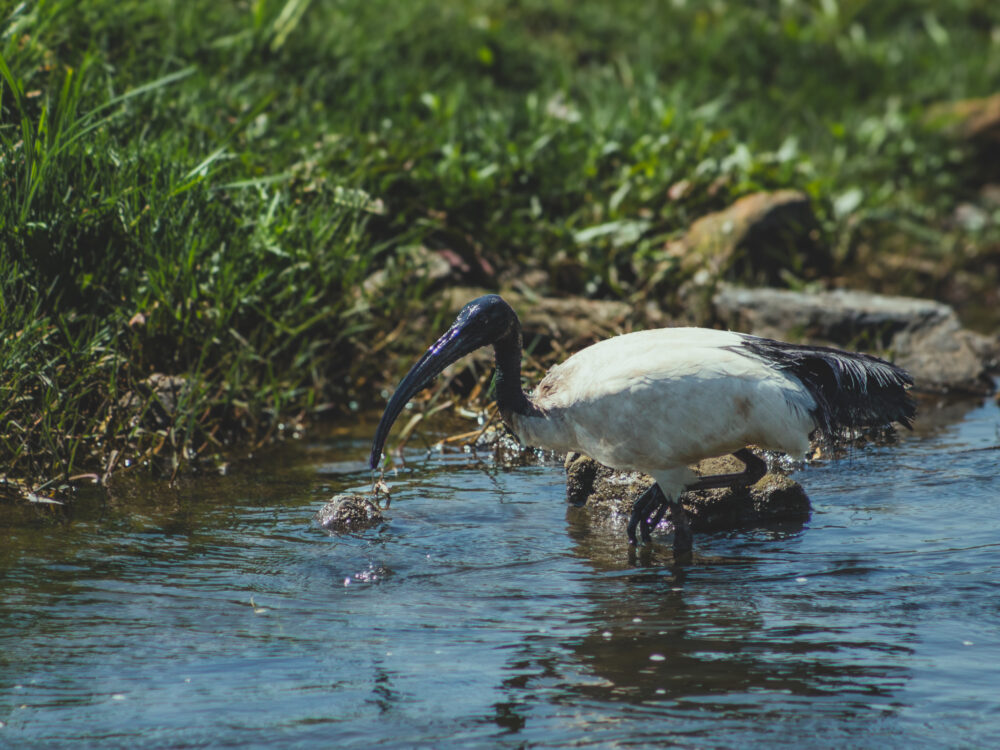
Rietvlei Nature Reserve 2017: Photo Highlights – Part 2

The Sacred Ibis lives in large colonies near waterways throughout Africa. When foraging, these birds have slender, curved bills to probe into shallow water, mud, or grass. This species is a gregarious bird, living, travelling, and breeding in flocks. In flight, they form diagonal lines or v-formations. The Sacred Ibis is a quiet bird, only grunting or croaking on breeding grounds. In ancient Egyptian society, the Sacred Ibis was worshipped as the god Thoth and was supposed to preserve the country from plagues and serpents. The birds were often mummified and then buried with pharaohs.