Worn

An elephant’s tusks are both a blessing and curse. Blessing because they give a sense of true majesty that rise them above other animals as well and being of use for various tasks. A curse because man’s avarice for ivory has led to the senseless slaughter of hundreds of thousands of the magnificent animals. One of the key differences between African and Asian elephants is the tusks. All African elephants, male and female, have tusks whereas only some Asian males have tusks. About 50% of Asian females have short tusks known as tushes – which have no pulp inside.

Worn

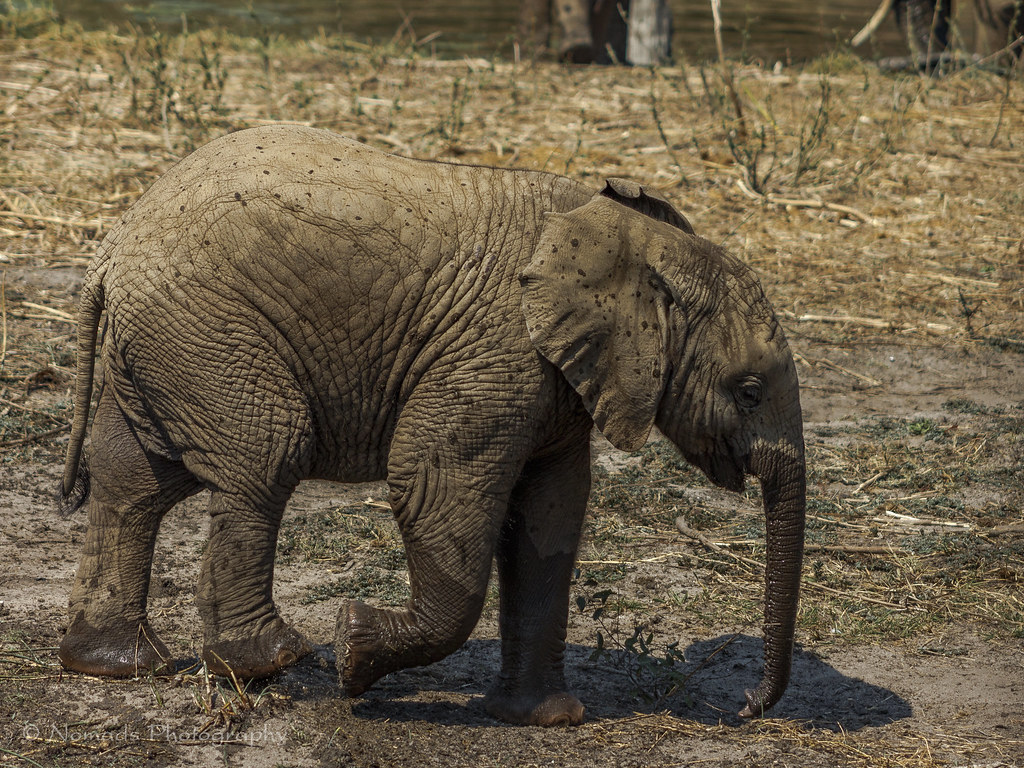
Junior

A baby elephant is called a calf. It weighs about 250 pounds at birth and stands about three feet tall. Calves can’t see very well at first, but they can recognize their mothers by touch, scent, and sound. At first, baby elephants don’t really know what to do with their trunks. They swing them to and fro and sometimes even step on them. They will suck their trunk just as a human baby might suck its thumb.

Junior

Curious

Standing at only 30 cm tall, meerkats, also known as suricates, have captured the attention of television and film audiences around the world because of their endearing appearance and interesting social behavior. They depend on group cooperation to survive. They live in groups of 20 to 50 extended family members in large underground tunnels. These family groups, called gangs or mobs, are led by an alpha pair, with the female being dominant. Meerkats have a life span of up to ten years.

Curious