Blanket

In the heart of Gauteng, Dinokeng ‘a place of rivers’, and Leeuwkloof Valley is a game lodge surrounded by wildlife roaming in a 400-hectare game reserve. This is KwaTHABISILE Game Lodge where Alexandra welcomes you to her Out of Africa. Wake up in the morning to game grazing peacefully under your bedroom window. Wander over to the pond or laze by the pool and enjoy sunset drinks overlooking the valley into the bush watching the animals graze. Enjoy the sounds of the birds sing in our valley, see and hear the night come to life. At KwaTHABISILE you can experience nature even though you are close to many other enriching activities such as nearby Cullinan and experience ‘All of Africa in a day’.
Info source: https://www.safarinow.com/go/kwathabisilegamelodge/
=========
The photo was taken during February 2019 at KwaThabisile Bush Retreat, Dinokeng, Gauteng, South Africa.
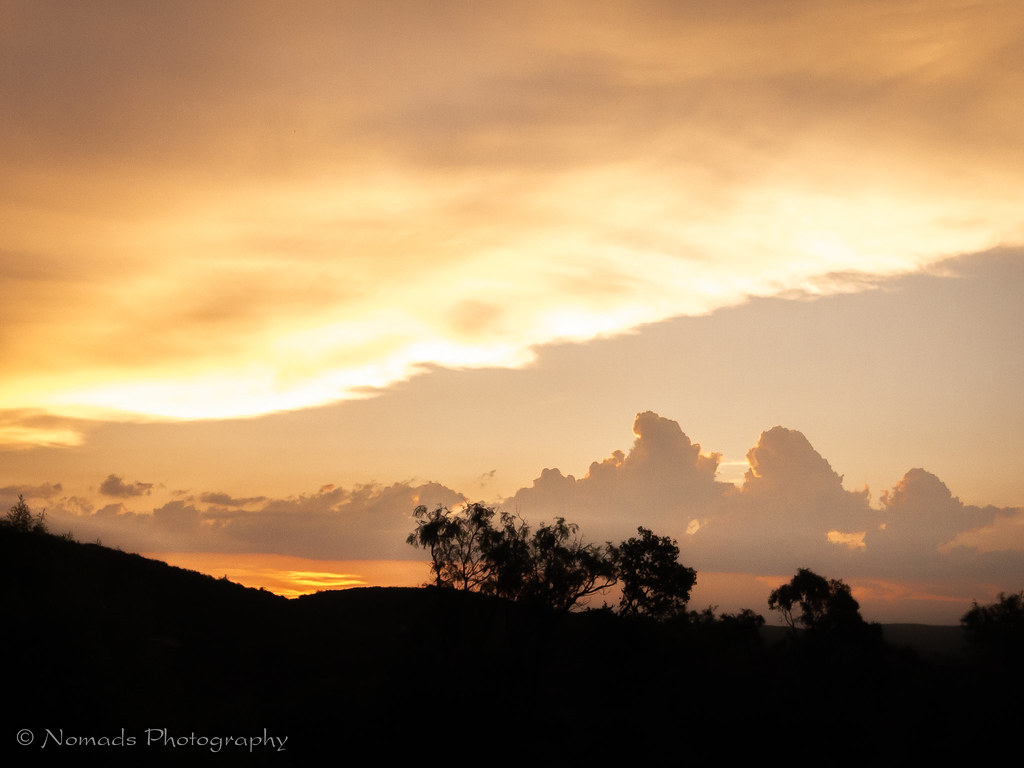
Blanket

Intense

The Cape Glossy Starling is a bird about the same size as a starling. The height of the Cape Glossy Starling is about 25 cms and its weight is about 90 gms. The male and female Cape Glossy Starling have the same plumage and colours
* Head is blue.
* Eye is orange.
* Bill is black.
* Throat is blue.
* Back is blue.
* Legs are black.
This bird has normally proportioned leg length. The Cape Glossy Starling is monogamous unless its mate dies. In the event of a partner dying, it will seek out a new mate. The nesting habit of Cape Glossy Starling is to create the nest in a hole in a tree trunk. The bird lays eggs which are blue in colour and number between 2 to 6.
Info source: http://www.thekruger.com/knpbirds/lamprotornisnitens.htm
=========
The photo was taken during September 2017 at Afsaal Picnic Spot, Kruger National Park, Mpumalanga, South Africa.

Intense

Basking

The African darter, also known as the snakebird or, slanghals in Afrikaans, is a water-bird that is common throughout sub-Saharan African. It has earned the name snakebird for the way that it swims – it keeps its entire body very low in the water, with only the neck and the head sticking out, giving it the appearance of a swimming snake. The male darter’s body is almost completely glossy black with the exception of the white streaking on the face and body, and the colouration of the neck, which has a warm chestnut hue. The female (like the juvenile birds) is browner than the male with less noticeable white streaks. Both of them have gold-coloured eyes with brown bills. The male’s bill is slightly larger than the female’s. This bill is used to impale fish and is, as a result, strong and sharply pointed. As a water-bird, the African darter can be found around fresh and brackish waters that are surrounded by (or close to) fresh vegetation. Shallow lakes and slow-flowing rivers that are flanked by trees, mangroves and reeds are ideal. They will also be found around swamps, lagoons, and reservoirs, but will avoid marine habitats, generally speaking. They need trees or bushes for their roosting.
Info source: https://www.sa-venues.com/wildlife/birds_african_darter.php
=========
The photo was taken during September 2017 at Lake Panic Bird Hide, Kruger National Park, Mpumalanga, South Africa.

Basking