Poise

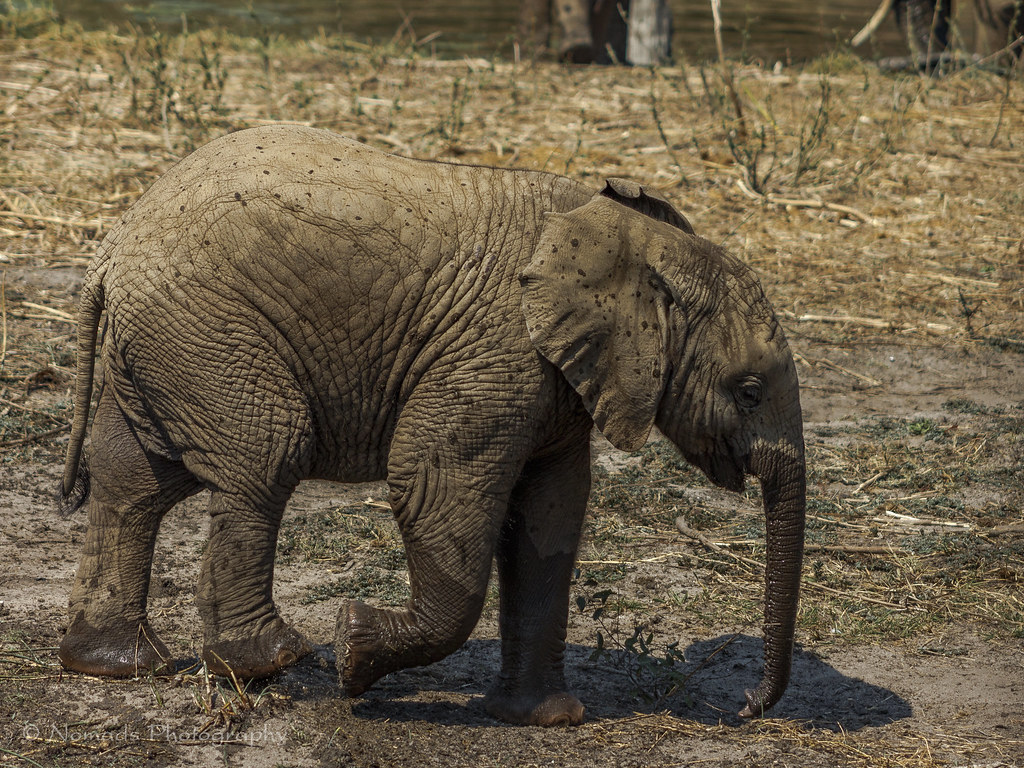
Elephant skin is wrinkled in appearance, with African elephants more wrinkled than Asian elephants. Wrinkles act as a cooling mechanism by increasing the skin’s surface area. The additional skin and wrinkles trap moisture, which then takes longer to evaporate. Therefore, wrinkles keep elephants cooler, for longer, than if they had smooth skin. Elephant skin can be up to 3.8 cm (1.5 in.) thick in certain places. However, the skin is sensitive to touch, detecting insects and changes in its environment. The combination of thick skin and a thin layer of fat beneath the skin enable the elephant to tolerate cold temperatures. Overall skin colouration for elephants is grey.

Poise

Junior

A baby elephant is called a calf. It weighs about 250 pounds at birth and stands about three feet tall. Calves can’t see very well at first, but they can recognize their mothers by touch, scent, and sound. At first, baby elephants don’t really know what to do with their trunks. They swing them to and fro and sometimes even step on them. They will suck their trunk just as a human baby might suck its thumb.

Junior

Distinguised

The southern yellow-billed hornbill is active during morning, day and evening. At night, it will sleep high in a tree so it won’t be preyed on. They can be found alone, in couples or in small groups. They generally tend to be loners unless it is breeding season, nesting season or if there is local migration during dry season. The southern yellow-billed hornbill is often seen searching for food on the ground or in shrubs. It will not dig the ground, but it will overturn debris to find insects. It can also be seen pursuing insects by hopping heavily after it.

Distinguished