Towering

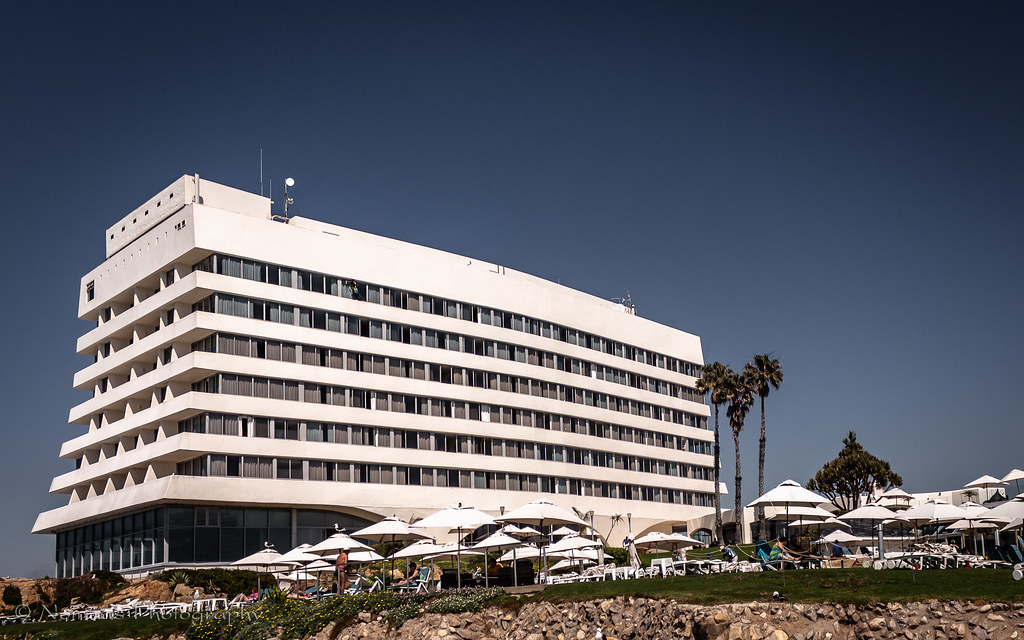
Built on a rocky promontory overlooking the Indian Ocean, with breathtaking views of the surrounding forests, beaches and mountains, the Beacon Island Lifestyle Resort on the Garden Route in Plettenberg Bay is truly a world-famous landmark. There is no better view of whales breaching or schools of dolphins than from the comfort of your room. The interior of this hotel has a modern yet relaxed simplistic look, in keeping with global trends and true to the philosophy of placing guests first, the Beacon Island remains as unsurpassed as its spectacular setting. The Sea Lounge and Playa Bar is the place to be during whale season or any other day, it is suspended over the Indian Ocean with whales and dolphins breaching less than 30 meters away.
Info source URL: https://rnr.co.za/listing/beacon-island-pq01/
=========
The photo was taken during October 2016 in Plettenberg Bay, Western Cape, South Africa.
Towering

Graze

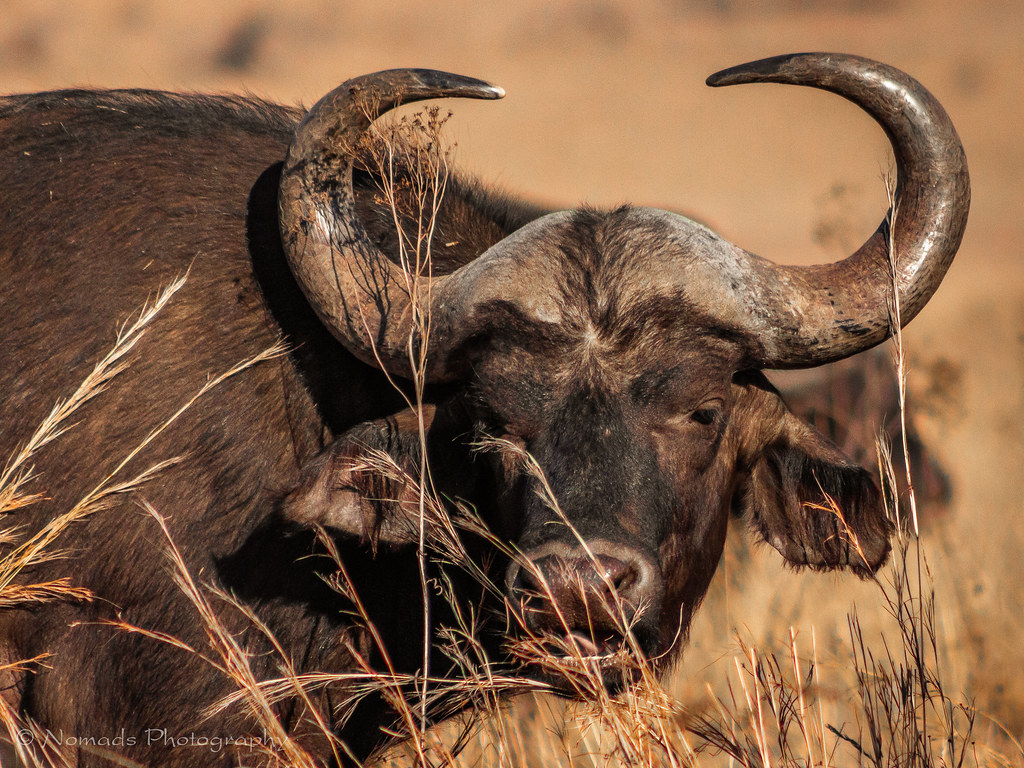
A characteristic feature of the horns of adult male African buffalo (Southern and Eastern populations) is that the bases come very close together, forming a shield referred to as a “boss”. From the base, the horns diverge downwards, then smoothly curve upwards and outwards and in some cases inwards and or backwards. In large bulls, the distance between the ends of the horns can reach upwards of one metre (the record being 64.5 inches 164 cm). The horns form fully when the animal reaches the age of five or six years but the bosses do not become “hard” till 8 to 9 years old. In cows, the horns are, on average, 10–20% smaller, and they do not have a boss.
Info source: https://en.wikipedia.org/wiki/African_buffalo
=========
The photo was taken during July 2017 in Rietvlei Nature Reserve, Pretoria, Gauteng, South Africa.

Graze

Stately

The red hartebeest bull measures about 1.3 m to the shoulders with a weight of 150 kg, whereas cows weigh only 120 kg. The red hartebeest is a big antelope with a sloping back and slim face, reddish-brown in colour. Both cows and bulls have horns with many rings. There are 12 subspecies of hartebeest in Africa, the red hartebeest being the only occurring in South Africa. It is more widely distributed today due to its reintroduction on game farms and in nature reserves. The name ‘hartebeest’ derives from the Dutch word for deer ‘hert’ and ‘beest’ meaning beast. ‘Hartebeest’ was thought to refer to the shape of a heart, but it was named so by early Boers who described the animal to look like a deer.
Info source: http://southafrica.co.za/red-hartebeest.html
=========
The photo was taken during Feb 2018 in Mabula Private Game Reserve, Bela-Bela, Limpopo, South Africa.

Stately