Symbiotic
The oxpecker stands guard while living and feeding on the rhinoceros, watching for danger. The bird warns the rhinoceros of danger by making loud chirping or hissing noises. The rhinoceros treats the oxpecker as a guest.


The oxpecker stands guard while living and feeding on the rhinoceros, watching for danger. The bird warns the rhinoceros of danger by making loud chirping or hissing noises. The rhinoceros treats the oxpecker as a guest.
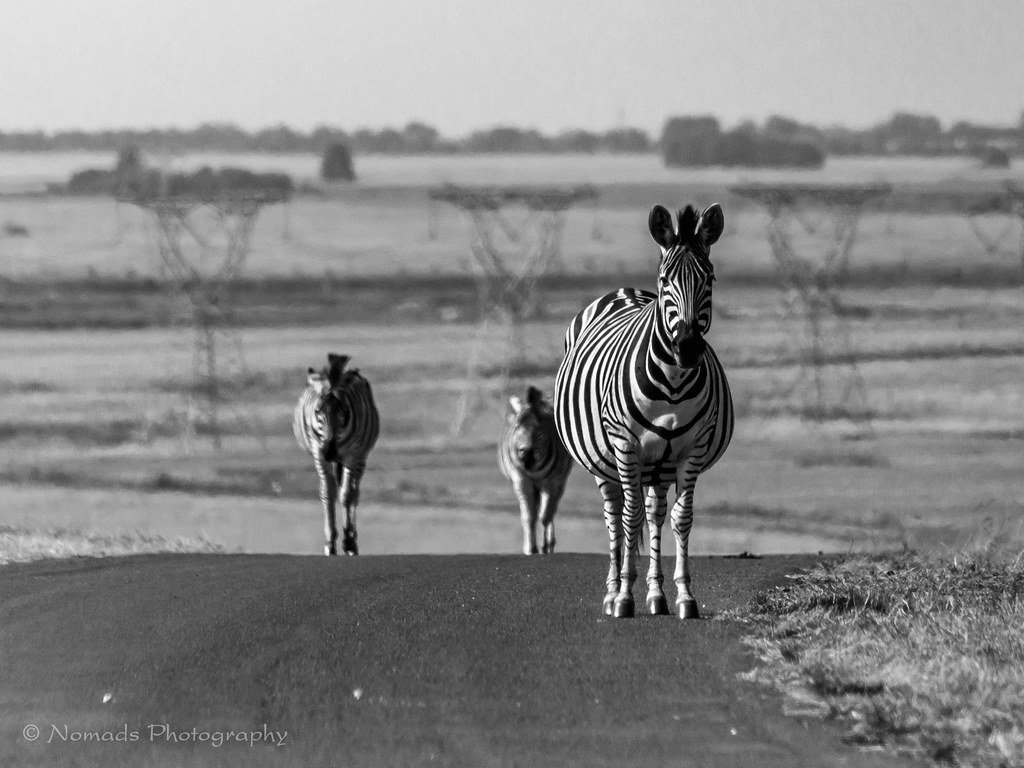
The unique stripes of zebras make them one of the animals most familiar to people. They occur in a variety of habitats, such as grasslands, savannas, woodlands, thorny scrublands, mountains, and coastal hills. However, various anthropogenic factors have had a severe impact on zebra populations, in particular hunting for skins and habitat destruction.

One of nature’s great mysteries is why the Zebra has stripes. One theory is that the stripes help the zebra cool down. On hot days the black stripes get a lot hotter than the white area of the zebra and under the black stripes there are special layers of fat for protection. Hot air then rises off the black stripes forcing colder air down around the white areas thus cooling the zebra down. The stripes are also used as camouflage to confuse predators when zebras huddle in great numbers or mingle with herds of antelopes.