Deadly red

Nandina, heavenly bamboo or sacred bamboo, is a species of flowering plant native to eastern Asia from the Himalayas to Japan. Despite the common name, it is not a bamboo but an erect evergreen shrub. All parts of the plant are poisonous, containing compounds that decompose to produce hydrogen cyanide, and could potentially be fatal if ingested. The fruit is a bright red berry 5–10 mm diameter, ripening in late autumn and often persisting through the winter.

Deadly red

Uphill

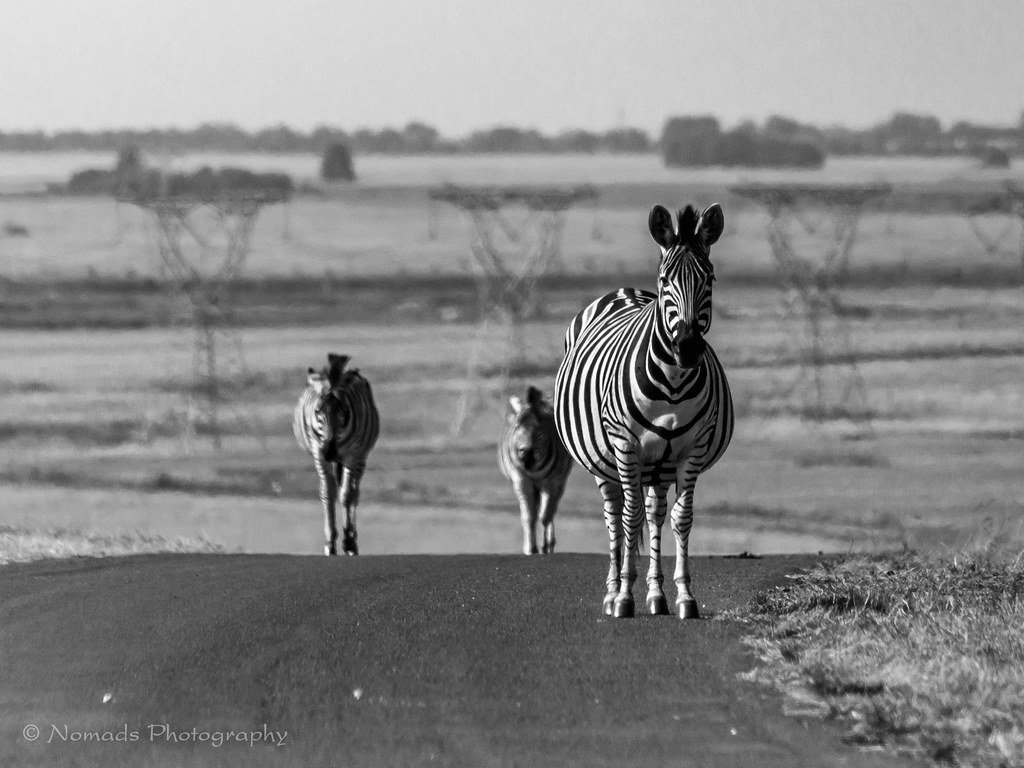
One of nature’s great mysteries is why the Zebra has stripes. One theory is that the stripes help the zebra cool down. On hot days the black stripes get a lot hotter than the white area of the zebra and under the black stripes there are special layers of fat for protection. Hot air then rises off the black stripes forcing colder air down around the white areas thus cooling the zebra down. The stripes are also used as camouflage to confuse predators when zebras huddle in great numbers or mingle with herds of antelopes.

Uphill


Into the sun

Although herons resemble birds in some other families, such as the storks, ibises, spoonbills, and cranes, they differ from these in flying with their necks retracted, not outstretched. They are also one of the bird groups that have powder down. Some members of this group nest colonially in trees, while others, notably the bitterns, use reed beds.

Into the sun